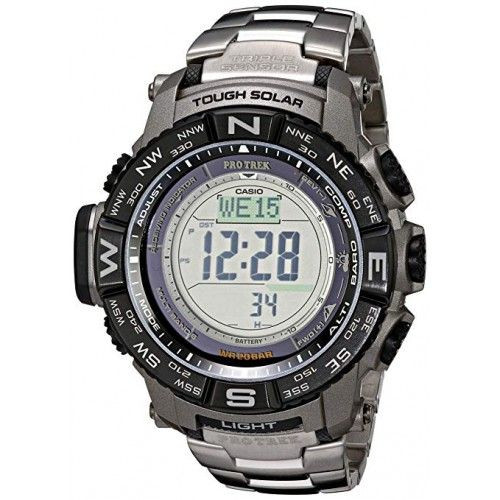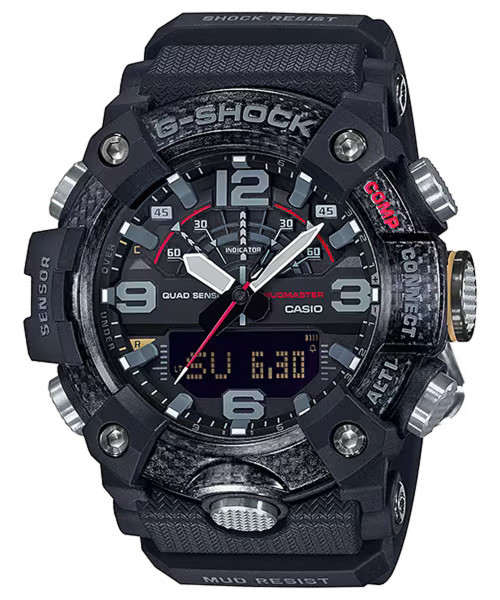
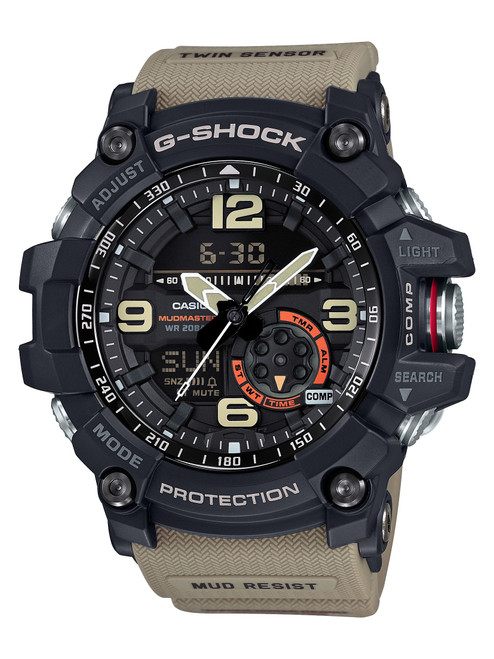
Always FREE SHIPPING on all PILOT WATCHES!

Thank you for landing at the Tailwinds Pilot Watch page. It’s simple we're pilots selling only pilot watches. Ever since we helped develop Casio Triple Sensor (it was our idea) we noticed that lots of pilot shops, and worse yet, general retailers, sell lots of watches designed for aviators. We pick only quality, useful watches at great prices...and, especially when it comes to the more technical watches we know, and can help you learn, how to use them.

So what is a pilot watch?

Or at least what is our definition?

Pilot Watch: A pilot watch is a wristwatch with special features (compass, stopwatch, etc.), traditionally used by the pilots of aircraft. Pilot watches are first of all wristwatches. As a female pilot I especially appreciate that the first wrist watch ever sold, manufactured by Patek Phillipe Co. in the late 1880s, was designed a woman’s accessory. Pilots them found wristwatches to be very useful. One of the first Aviators, Alberto Santos-Dumond was from Brazil. While testing his circa 1900 biplane he needed a good watch...so he went to Cartier. That's right...he was friends with Frenchman Louis Cartier who built Dumont a special leather bound wrist watch. They became really popular in Paris. We expect Santos-Dumont used the money he made selling the first pilot watch to finance his flying habit.

World Wars popularize the pilot watch.

In World War I, since wrist watches are easier to use than pocket watches, especially in a fire fight, soldiers used them for flying and other complex military uses like artillery and combined attacks.. Eventually military contractors got in the business and they spread throughout the various branches of service. In World War II, the most popular watch for American airmen was the A-11: it had a simple black face and clear white numbers for easy readability, and it met the aviator’s basic needs. Very similar to our

T05101 Dual Time Men's Watch

After the war, the returning officers kept their watches and wore them back home, popularizing them among the middle class. The middle class helped the item develop into more than a means of keeping time. The standards for pilot watches were raised, and they became much more advanced, including features like chronometers and slide rules.

(Chronometers are clocks especially used in navigation, designed to have sufficient long-term accuracy and precision, while slide rules are mechanical calculators that can make rapid, approximate scientific and engineering calculations, such as time, distance and speed equations.) The popularization of the pilot watch among the middle class also made it an accessory; companies designed impressive looking watches out of stainless steel, leather, and mineral crystal, with showy gold and silver accents, elaborate faces covered in various numbers, rotating crowns, and numerous widgets all in one package.

So check our fine selection and give us a call anytime at 800-Tailwinds.

More Pilot Watches